
Roof durability depends on more than the material itself. The roof’s slope, ventilation, installation quality, underlayment, flashing, maintenance, and exposure to snow, ice, wind, and sunlight all affect how long it performs.
For homeowners in Camden, NY, the most durable roofing choices are generally metal, slate, clay or concrete tile, and high-quality asphalt shingles. Each material has different strengths, costs, maintenance needs, and structural requirements.
Which roofing materials last the longest?
Slate, metal, and tile usually have the longest potential service lives. Slate can last for many decades, while properly installed metal and tile roofs may also remain functional for 40 years or longer. High-quality asphalt shingles typically have a shorter life expectancy but are often easier to repair and replace.
Typical service-life ranges are:
- Slate: 75 to more than 100 years
- Copper and some other premium metals: 50 years or longer
- Steel and aluminum roofing: approximately 40 to 70 years, depending on the system
- Clay or concrete tile: 50 to 100 years
- High-quality asphalt shingles: approximately 20 to 40 years
- Wood shingles and shakes: often 20 to 40 years with careful maintenance
These are broad estimates, not guarantees. Severe weather, poor attic ventilation, inadequate drainage, and installation problems can shorten the life of any roof.
Is metal roofing the most durable choice for snowy weather?
Metal roofing is one of the strongest practical choices for homes exposed to snow, ice, wind, and repeated freeze-thaw cycles. It sheds snow relatively well, resists moisture, and does not absorb water in the same way as some other materials.
Standing-seam metal systems have concealed fasteners and long, continuous panels. Exposed-fastener systems can also perform well, but their fasteners and washers may eventually require attention as materials expand and contract.
Metal roofing does have limitations:
- Smooth surfaces may allow snow to slide suddenly, creating a hazard near entrances or lower roofs.
- Dents can occur from falling branches or large hail.
- Poorly designed metal roofs may be noisy during heavy rain.
- Different metals and coatings have different resistance to corrosion and fading.
- The roof deck and framing still need to be in good condition.
Snow guards, properly designed valleys, durable flashing, and adequate attic ventilation can matter as much as the metal panels themselves.
How durable are slate roofs?
Natural slate is among the longest-lasting roofing materials available. It resists fire, insects, rot, and ultraviolet damage. A well-maintained slate roof may remain serviceable for generations.
The main concern is weight. Slate is much heavier than asphalt shingles and may require structural evaluation before installation. It can also crack if walked on improperly or struck by falling limbs. Repairs require compatible slate and specialized knowledge because replacing a damaged piece involves more than simply fastening a new shingle in place.
For an existing slate roof, preservation is often preferable to unnecessary replacement. A roof that appears old may still have substantial remaining life if the slate, flashing, and supporting structure are sound.
Are clay and concrete tiles suitable in a cold climate?
Clay and concrete tiles can be very durable, but their performance depends heavily on the specific product and installation system. Tile does not rot, resists fire, and can provide excellent protection from sunlight and rain.
Cold weather creates additional considerations. Water that enters cracks or porous areas can freeze and expand, causing damage. Tile roofs also require carefully designed underlayment, flashing, and drainage details. Individual tiles may break from impact or from improper foot traffic.
Concrete tile is generally heavier than asphalt shingles, and both concrete and clay tile may exceed the load capacity of some existing roof structures. Structural capacity and local installation requirements should be checked before choosing tile.
Are asphalt shingles durable enough for local homes?
High-quality asphalt shingles can provide dependable performance and are used on many residential roofs. They are lighter and easier to repair than slate or tile, and replacement materials are widely available.
Durability varies considerably among asphalt shingles. Thicker architectural shingles generally resist wind and weather better than basic three-tab products. However, the shingle rating alone does not determine actual service life.
Important installation details include:
- A properly prepared roof deck
- Correct underlayment
- Secure flashing around chimneys, walls, vents, and valleys
- Adequate ventilation at the eaves and ridge
- Fasteners placed according to the manufacturer’s requirements
- Proper treatment of roof edges and rake edges
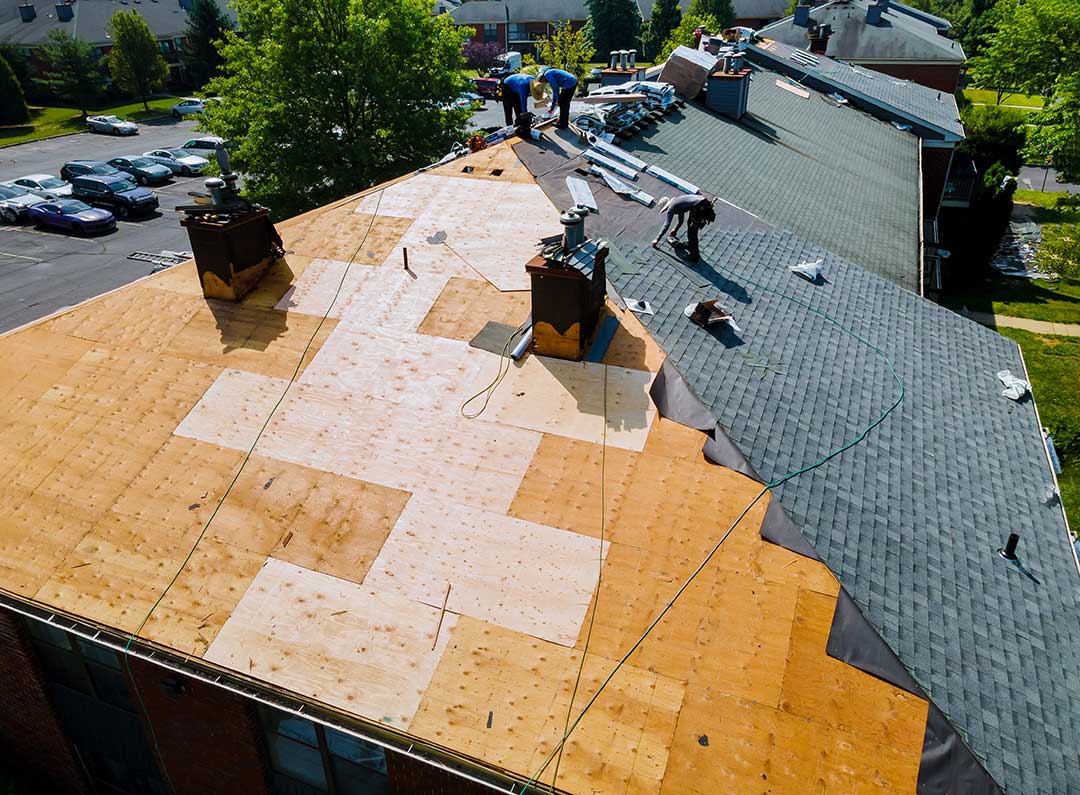
In a region with snowy winters and temperature swings, ventilation and flashing deserve close attention. Ice dams can form when heat escapes into a cold attic and melts snow unevenly. The resulting water may back up beneath shingles and damage decking, insulation, ceilings, and wall surfaces.
What makes a roof durable besides the covering?
The visible roofing material is only one part of the system. A durable roof also needs a stable deck, effective water-shedding details, and a balanced ventilation system.
Flashing is especially important. Metal flashing directs water away from vulnerable areas such as chimneys, roof-to-wall intersections, skylights, and plumbing penetrations. Many leaks blamed on shingles actually begin at these transitions.
Roof shape matters as well. Steeper slopes usually shed water and snow more quickly than low-slope roofs. Complex roof designs with many valleys, dormers, and intersecting sections have more areas where water can collect or flashing can fail.
Durability also depends on the surrounding property. Overhanging branches can scratch surfaces, drop debris, and block drainage. Moss and organic debris can retain moisture. Gutters that overflow may wet fascia boards and roofing edges repeatedly.
Which durable material is the best value?
The best value depends on the expected ownership period, structural requirements, maintenance tolerance, and available budget. A long service life does not automatically make a material the most economical choice.
Metal and slate may cost more initially but can reduce the frequency of full roof replacement. Asphalt shingles generally have a lower initial cost and simpler repairs, though they may require replacement sooner. Tile can last a long time but may involve added structural work and more specialized repairs.
A useful comparison should consider:
- Initial material and installation cost
- Expected service life
- Structural modifications
- Repair availability
- Snow and ice performance
- Maintenance requirements
- Ease of matching replacement materials
- Removal and disposal costs at the end of the roof’s life
How can homeowners extend roof life?
Routine observation can identify problems before they become structural damage. After major wind or snow events, look for missing or displaced roofing, damaged flashing, sagging areas, blocked drainage, and water stains in the attic or upper floors.
Keep valleys and gutters clear of leaves and branches. Trim limbs that contact the roof. Avoid walking on slate, tile, or damaged shingles. In winter, do not remove snow with tools or methods that can scrape or crack the roofing surface.
Attic inspections are also useful. Damp insulation, frost, mold-like staining, or rusty fasteners may indicate poor ventilation or air leakage. These conditions can contribute to premature deterioration even when the roof surface looks acceptable.
For safety, structural concerns, active leaks near electrical wiring, or work on steep and icy surfaces require qualified assistance. The most durable material still depends on a sound structure and careful installation to perform as intended.
