
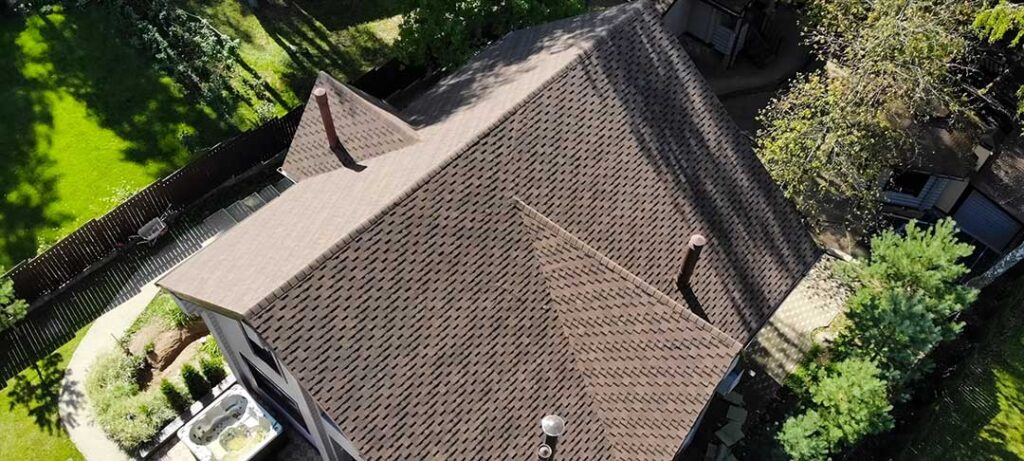
Roof repairs can range from replacing a few damaged shingles to addressing leaks, rot, flashing failures, or storm-related damage. For residents in Camden, NY, choosing the right roofing company means looking beyond price and finding a repair provider that is qualified, properly insured, clear about the work, and familiar with the demands of local weather.
What should be checked before choosing a roofing company?
Start by confirming that the company is established, insured, and able to explain the proposed repair in plain language. A reputable roofing company should be willing to provide written details about the problem, the recommended solution, expected costs, and any limitations.
Before agreeing to work, ask for:
- Proof of general liability insurance
- Workers’ compensation coverage for employees
- A written estimate or scope of work
- References or examples of similar repair projects
- Information about workmanship warranties
- The expected start date and approximate duration
- A clear explanation of payment terms
Insurance matters because roofing work involves fall hazards, ladders, tools, and potential property damage. If a worker is injured or a roof repair causes damage to siding, gutters, windows, or landscaping, inadequate coverage can create serious complications for the property owner.
A company that avoids basic questions, pressures a homeowner to sign immediately, or will not put important promises in writing deserves caution.
How can a homeowner tell whether the repair diagnosis is reasonable?
A sound diagnosis should connect the visible damage with a likely source of water entry or structural deterioration. Roof leaks are not always located directly above the stain on a ceiling. Water can travel along decking, rafters, insulation, or interior framing before becoming visible.
A roofing company should inspect more than the obvious damaged shingle. Depending on the situation, the inspection may include:
- Shingles, panels, or other roof coverings
- Flashing around chimneys, vents, and wall intersections
- Valleys where roof sections meet
- Pipe boots and ventilation penetrations
- Gutters and the roof edge
- Attic insulation, decking, and signs of moisture
- Areas affected by wind, fallen branches, or ice
A useful explanation should distinguish between the immediate repair and any underlying condition. For example, replacing a missing shingle may stop a short-term leak, but it may not address deteriorated flashing or widespread age-related failure.
Homeowners should also be cautious of dramatic claims based only on a quick visual inspection from the ground. A repair recommendation should be supported by observable evidence, photographs, or a clear description of the affected materials.
Is the lowest repair price the best choice?
Usually, the lowest written price is not enough to identify the best option. Roofing estimates may differ because companies are proposing different materials, repair methods, labor standards, or levels of preparation.
Compare estimates line by line. Look for differences in:
- The amount and type of material being replaced
- Whether damaged underlayment or decking is included
- Flashing repair or replacement
- Removal and disposal of damaged materials
- Protection for landscaping and exterior surfaces
- Cleanup and magnetic nail collection
- Permit or inspection responsibilities, if applicable
- Warranty terms and exclusions
An unusually low estimate may leave out necessary work or use assumptions that are not obvious to the homeowner. A much higher estimate is not automatically more thorough, either. The most useful comparison is based on scope, materials, safety practices, and accountability rather than price alone.
What questions should be asked about the written estimate?
A written estimate should make it possible to understand what will happen, what may change, and what the homeowner is expected to pay. Ask whether the price is fixed or subject to conditions discovered after materials are removed.
Important questions include:
- What specific problem is being repaired?
- Which areas of the roof are included?
- What materials will be used?
- How will hidden damage be handled?
- Who is responsible for obtaining required approvals?
- How will weather delays affect the schedule?
- What cleanup is included?
- How and when are payments due?
- What warranty applies to the repair?
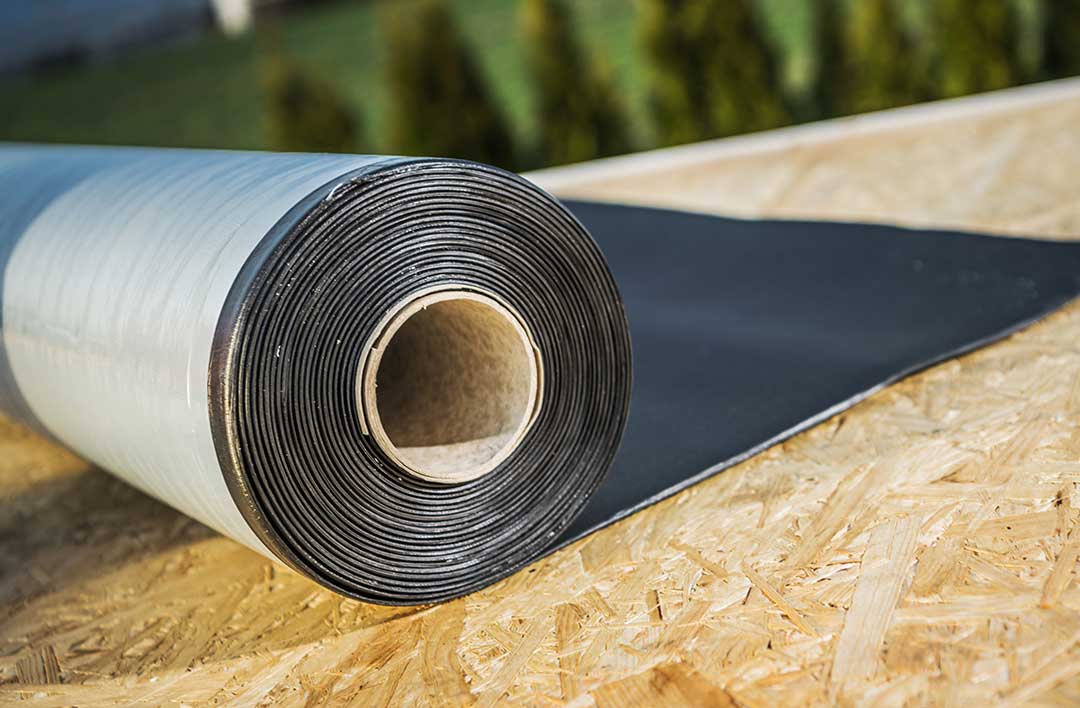
Hidden damage can be a legitimate reason for a change in cost, particularly when roof decking or structural wood cannot be assessed until the covering is removed. However, the agreement should explain how additional work will be approved. Homeowners can request photographs and a revised written price before authorizing substantial changes.
Does local experience matter in Camden, NY?
Local experience can be useful because roofing systems must withstand seasonal conditions that include freezing temperatures, snow, wind, freeze-thaw cycles, and heavy summer rainfall. These conditions can expose weaknesses in flashing, drainage, ventilation, and roof edges.
Homes in the community may also vary considerably in age and construction. Older properties can have multiple layers of roofing, previous repairs, aging decking, or roof details that require careful inspection. A company familiar with regional building patterns may be better prepared to identify those issues, but local claims should still be supported by qualifications and documentation.
Useful questions include:
- How often does the company handle repairs rather than only full replacements?
- Has it worked on roofs of similar age and design?
- How are snow, ice, and wind-related problems evaluated?
- What steps are taken to protect the home during changing weather?
- How are attic ventilation and moisture concerns checked?
Local knowledge should supplement, not replace, proper licensing, insurance, written terms, and sound repair methods.
How can storm-related roofing work be handled carefully?
After a severe storm, homeowners may encounter companies that arrive quickly and offer immediate repairs. Urgency is sometimes justified if water is actively entering the home, but a homeowner does not need to make a rushed decision about a full repair contract.
If a storm has damaged the roof:
1. Take photographs from the ground and from safe interior locations.
2. Use temporary containers to catch water indoors, if necessary.
3. Avoid climbing onto the roof.
4. Review insurance requirements before authorizing major work.
5. Be cautious about signing documents that assign insurance rights or benefits without understanding them.
6. Get a written description of emergency work and any follow-up repairs.
Temporary measures such as a properly installed tarp may reduce water intrusion, but they are not a permanent repair. Roof access is dangerous, especially when surfaces are wet, icy, steep, or unstable.
What warning signs suggest a roofing company should be avoided?
Warning signs often involve pressure, vagueness, or a lack of accountability. Use caution if a company:
- Demands full payment before work begins
- Refuses to provide insurance information
- Offers only a verbal estimate
- Pressures the homeowner to sign immediately
- Claims every roof needs complete replacement
- Uses unclear material descriptions
- Cannot explain how hidden damage will be handled
- Leaves no written warranty information
- Requests payment only in cash
- Arrives after a storm and uses alarming language without a detailed inspection
A professional repair process should allow reasonable time for questions and comparison. Homeowners should also verify that the name on the estimate, contract, insurance documents, and payment records is consistent.
When is a repair no longer the practical option?
A repair may not be the most sensible choice when damage is widespread, the roof covering is near the end of its service life, or repeated repairs are occurring in different areas. Signs that deserve a broader evaluation include recurring leaks, widespread missing or deteriorated shingles, sagging roof sections, extensive granule loss, damaged decking, and persistent attic moisture.
That does not mean a company should automatically recommend replacement. A responsible assessment should explain the condition of the existing roof, the expected limitations of repair, and the reasons a larger project may be under consideration.
The right choice is usually the one that offers a clear diagnosis, appropriate repair scope, safe work practices, written terms, and realistic expectations. For area households, careful comparison before work begins can help prevent a small roofing problem from becoming a larger and more expensive building issue.
