

What Are Roof Valleys and Why Do They Matter?
Roof valleys are the channels where two sloping sections of a roof meet, directing water and melting snow off the structure. In areas like Camden, NY—where heavy snowfall and seasonal rain are common—these valleys are critical to preventing water infiltration. If a valley fails, it can quickly lead to leaks, interior water damage, and costly repairs.
What Early Signs Indicate Trouble in Roof Valleys?
Failing roof valleys often show subtle signs before major leaks appear. Addressing these warning signals early can help area residents prevent bigger issues.
- Discoloration or Staining: Look for dark streaks or patches along the roof valley. These may signal trapped moisture underneath roofing materials, often a result of compromised flashing or underlayment.
- Granule Loss: In asphalt shingle roofs, missing granules in the valley may expose the black substrate. The heavier volume of water runoff in valleys accelerates wear compared to flatter roof sections.
- Shingle Curling or Cracking: Shingles in valleys may curl, crack, or seem more brittle due to constant moisture flow and freeze-thaw cycles common in the region.
- Moss, Mold, or Algae: Persistent dampness leads to organic growth. If moss or algae is sprouting in the valley, the underlying materials may be consistently wet.
Why Do Roof Valleys Fail in Camden, NY?
Although roof valleys are engineered for durability, several local factors can lead to their breakdown over time.
- Ice Dams: Snowfall accumulation and freeze-thaw cycles in the city can cause ice dams to form in roof valleys. Ice buildup prevents proper drainage and can force water beneath shingles.
- Improper Installation: If valley flashing or underlayment is poorly installed or cut incorrectly, it can lead to exposed seams and water penetration, especially during heavy spring or fall storms.
- Debris Accumulation: Leaves, branches, and pine needles gather easily in valleys—especially in neighborhoods with mature trees. This organic matter traps moisture and creates ideal conditions for rot.
- Aging Materials: After many years of service, even properly built valleys will deteriorate. Flashing may rust or separate, shingles lose flexibility, and sealants break down.
How Can Residents Detect a Leak Originating From a Roof Valley?
If water is appearing inside the home, identifying its source is key. Roof valleys are common culprits due to the concentrated water flow they handle.
- Interior Water Stains: Leaks near ceiling seams, especially above hallways or where two roof slopes meet, often trace back to the valley.
- Damp Insulation or Wood: Inspect your attic during or after a rainstorm. Wet insulation or darkened wood near a valley’s underside typically signals a problem.
- Dripping During Melt Events: In Camden, ice and snow can mask valley issues until a rapid thaw causes sudden leaks. Pay attention to dripping or pooled water inside during mid-winter thaws.
Are All Roof Valleys Constructed the Same Way?
No, and understanding the type of valley on a home can help homeowners monitor and maintain it more effectively.
- Open Valleys: These use exposed metal flashing down the channel. Flashing should remain clear of rust, bends, or mineral build-up.
- Closed Valleys: Shingles are woven or lapped over the valley line. Any uplifted or separating shingles in these areas may mean that water is bypassing the waterproofing layer.
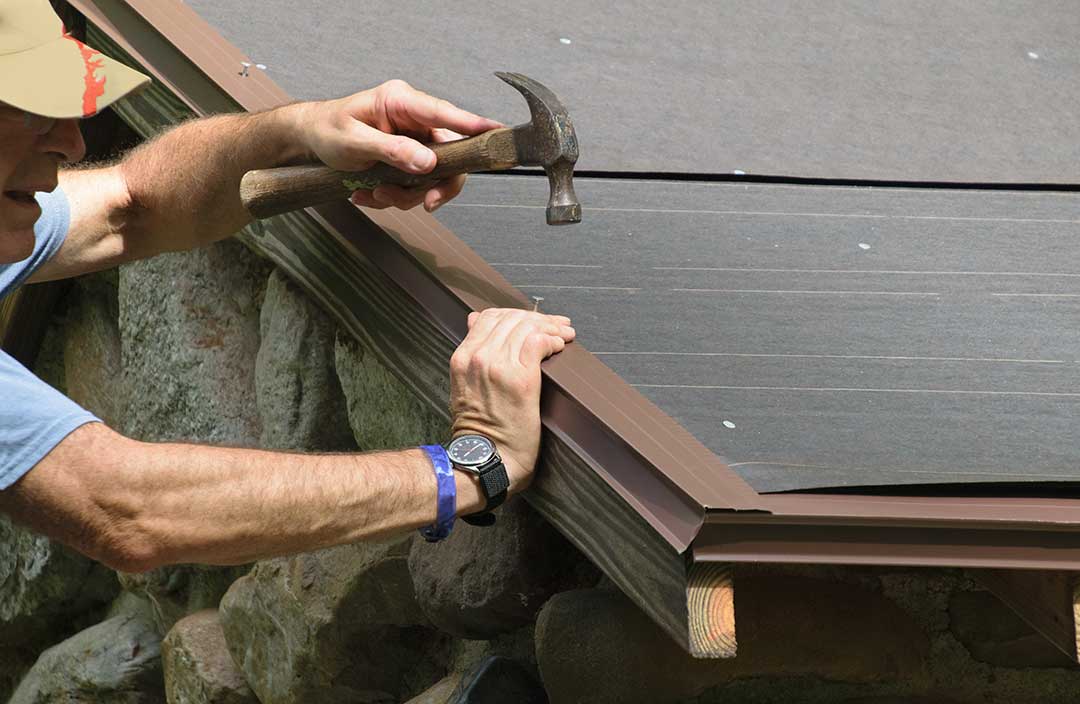
Some older homes in Camden have "California" or "woven" valleys, each with their own vulnerabilities—especially as materials age.
What Maintenance Reduces the Risk of Valley Failure?
Routine inspection and light maintenance extend roof valley life, particularly in climates with pronounced seasons.
- Remove Debris: After major windstorms, fall leaf shed, or spring thaw, check valleys for blockages.
- Visual Inspections: From the ground or with binoculars, look for missing, misaligned, or deteriorating shingles. Regularly monitor for early warning signs of trouble after storms.
- Clear Ice and Snow (Safely): In heavy-winters, gently clear excess accumulation from valleys to minimize ice damming risk. Avoid chipping or scraping, which can damage shingles or flashing.
What Do Homeowners Commonly Overlook?
Several subtle factors unique to this region often go unrecognized:
- Slow Leaks: Minor infiltration in valleys may not create immediate visible ceiling stains. Instead, moisture can build up in structural wood, leading to mold or gradual deterioration.
- Underlayment Damage: Many residents assume a dry attic equals a problem-free roof, but underlayment beneath valley shingles may fail quietly from years of ice and trapped debris before leaks are obvious.
- Aging Flashing: Metal flashing in valleys can corrode from exposure to acidic rain or decades of melting snow. Even minor holes or rusted sections compromise valley function.
When Is a Roof Valley Hazardous Enough to Warrant Professional Attention?
Certain valley issues go beyond simple maintenance due to safety or complexity.
If the roof is steep, heavily covered in ice, or shows signs of significant water intrusion, the risk of falls or further damage increases. Major flashing failures, saturated underlayment, or visible structural distortion should be assessed promptly to prevent hazards to building integrity or occupants’ health.
