
What Steps Are Involved in a Typical Roofing Project?
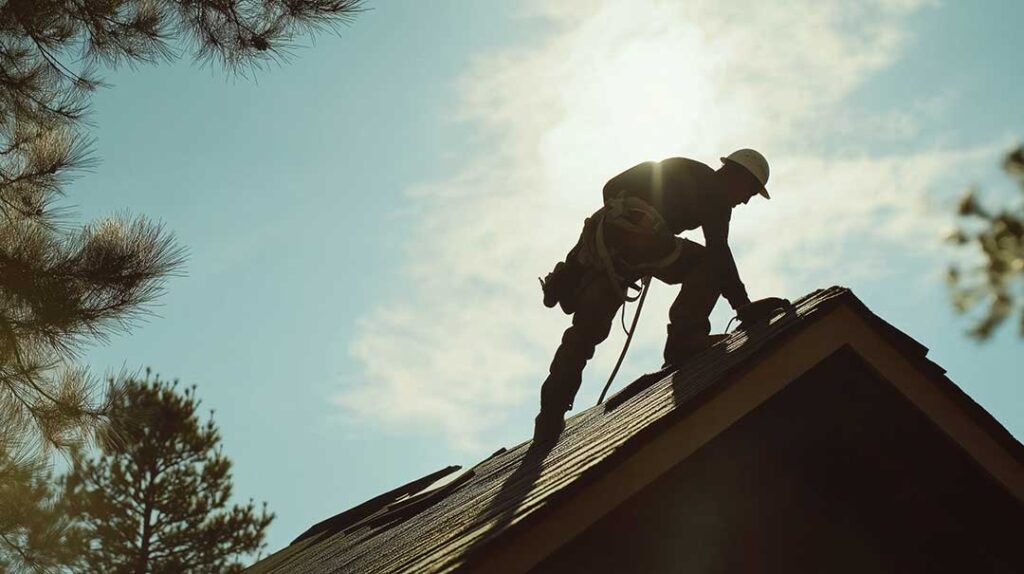
A standard roofing project in Camden, NY generally unfolds through several predictable stages, whether it’s a full replacement or a major repair. Understanding each step helps residents anticipate what to expect and plan appropriately.
- Inspection and Assessment: The first step involves evaluating the roof’s current condition. This is often done visually from the ground, from a ladder, or—when safe and necessary—on the roof itself. The assessment looks for missing shingles, leaks, moisture damage, sagging areas, and signs of aging.
- Material Selection: Homeowners choose from options like asphalt shingles, metal panels, or other materials suitable for the area’s frequent freeze-thaw cycles and variable weather. Durability, cost, and aesthetics are considered.
- Preparation and Delivery: Materials are delivered, often placed near the home. Outdoor furniture and landscaping might be temporarily moved to protect them from falling debris.
- Tearing Off the Old Roof: Most full replacements involve removing existing shingles and underlayment. Dumpsters are used for managing debris.
- Repair and Replacement of Wood Decking: If the roof deck has suffered water damage or rot, sections are replaced to ensure a sound base for the new roofing.
- Installing Underlayment and Flashing: A water-resistant layer is spread over the decking. Metal flashing is placed around roof edges, valleys, and penetrations (like chimneys or vents) to redirect water.
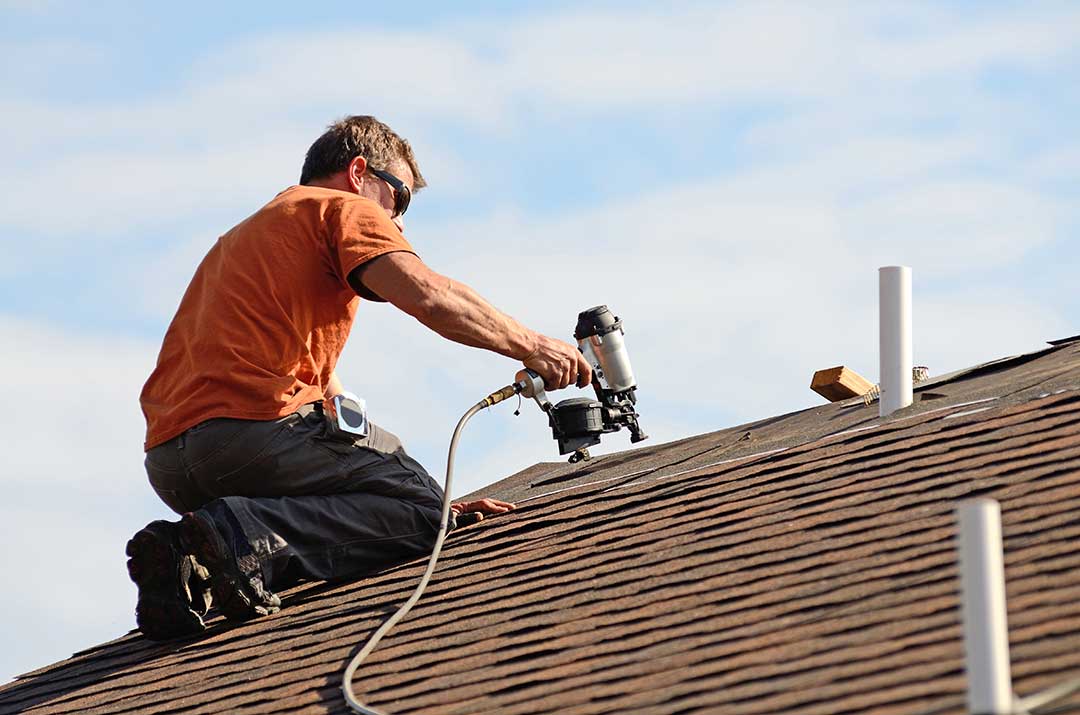
- Shingle/Material Installation: The primary waterproof layer—whether shingles or metal—is methodically installed from the eaves up.
- Final Cleanup and Inspection: Nails, leftover materials, and debris are cleared from the property. Magnets may be used to collect stray nails from lawns and driveways. A last inspection ensures quality and completeness.
This structured progression reflects typical project flow for houses throughout the city, although weather and roof complexity can create minor variations.
How Long Does a Roofing Project Usually Take in the Area?
Most residential roofing projects in the region take between one and five days. The exact timeline depends on the home’s size, roof pitch, material choice, weather delays, and the extent of any hidden repairs once old materials are removed.
In Camden, late spring through early fall is the prime window for outdoor construction. Sudden storms or early frost can halt work, so quick weather changes sometimes stretch out projects. Many local homes feature mid-sized, pitched roofs that enable completion in just a few days under normal circumstances.
Are There Local Code or Permit Requirements?
Yes, roofing in Camden requires attention to local building codes and, in many cases, a permit before work starts. Municipal regulations specify things like:
- Minimum standards for materials based on fire resistance and durability
- Ventilation requirements to prevent ice dams and moisture problems during long, snowy winters
- Ice and water shield usage along eaves and valleys, which is especially relevant given the region’s risk of ice damming
Building permits are managed through the city hall. Homeowners often need to provide basic project details and may be subject to an inspection after completion. Failing to secure proper permits can lead to fines or issues when selling the home. It’s not unusual for roofing projects to pause briefly during the approval process.
What Roof Materials Stand Up Best to Camden’s Weather?
Due to frequent snow, rain, and freeze-thaw cycles, material choice is a practical concern. Most homes use one of these:
- Asphalt Shingles: Affordable and effective, especially high-quality architectural shingles rated for wind and impact. Their granule coating helps resist slow moss and algae growth triggered by humidity.
- Metal Roofing: Increasingly popular for longevity, metal sheds snow quickly—helpful for roofs with less slope. The durable coating resists corrosion from precipitation and road salt exposure in some neighborhoods.
- Synthetic Slate or Composite Materials: Sometimes selected for their insulation properties and resistance to severe weather, though these are less common due to higher costs.
It’s common for area roofs to feature “ice and water shield” underlayment along edges and valleys, as local winters bring both heavy snow loads and cycles of melting and refreezing that can cause leaks in unprotected areas.
What Should Residents Watch Out for During Roofing Work?
Disruption is normal, but a few practical details can help households prepare and avoid stress:
- Nails, shingles, and debris may fall around the property—remove outdoor items and park cars on the street or away from the home, if possible.
- Pets and children should stay indoors or well away from the work zone while crews are active.
- Vibration and noise often occur from hammering and removal processes. It’s common for pictures to shift or items on shelves to rattle inside the house.
- Homeowners sometimes notice dust or small debris entering attic spaces during tear-off. Cover stored items for protection.
Communication helps: knowing the daily plan can reduce anxiety about project progress or why work might pause due to weather.
How Can Homeowners Prepare Before Work Starts?
A few advance steps make the process smoother and protect property:
- Move grills, patio furniture, potted plants, and vehicles away from the house, especially near driveways and walkways.
- Mark sprinkler heads or delicate landscape features so they are less likely to be damaged by foot traffic or falling debris.
- Secure or temporarily relocate attic valuables under the roof; vibration and dust are common during tear-off.
- Inform neighbors about the timing to minimize inconvenience, since parking and noise can impact nearby homes.
What Are Common Misunderstandings About Roofing Projects?
People often underestimate the number of variables involved, and local factors introduce extra considerations:
- Weather Delays: Even with clear forecasts, fast-moving storms or sudden temperature drops are common, especially in shoulder seasons. Delays are sometimes unavoidable.
- Unseen Damage: Water damage hidden beneath old roofing materials is only discovered during tear-off. This can change both the timeline and the budget.
- Permit Timing: Approval is not always immediate; inspection schedules can vary, particularly during the busy summer months.
- Not Every Leak Means a Full Replacement: Some issues are isolated and can be solved with repairs rather than a complete tear-off.
What Happens After the Roofing Project Is Finished?
Once installation and cleanup are complete, a final inspection is common, especially if required for permit closure. Residents typically receive information on warranty coverage and tips for basic maintenance, such as:
- Keeping gutters clear to prevent water backup
- Inspecting after major storms for missing or damaged shingles
- Checking attic spaces for signs of leaks after heavy precipitation or rapid thaws
Ongoing care helps new roofing last through many of the city’s freeze-thaw cycles and stormy seasons.
