
Why Are the Right Tools Important for Roof Maintenance in Camden, NY?
Proper roof upkeep relies on having suitable tools just as much as regular attention. In Camden, NY, the weather means roofs face cold winters, snowfall, spring rainfall, and leafy autumns—each bringing unique challenges. Effective roof maintenance tools can prevent minor issues from turning into significant repairs and help local homeowners safely maintain their homes in every season.
A well-chosen tool collection enables residents to tackle basic cleaning, inspection, and emergency repairs without unnecessary risk. It also allows for upkeep at times most convenient and appropriate for the local climate, such as after heavy winds or just before the winter freeze.
What Are the Basic Hand Tools Needed for Regular Roof Maintenance?
The simplest tools are often the most essential for Camden households. Here’s what typically proves most helpful:
- Sturdy Ladder: A ladder tall enough to reach the eaves safely is foundational. Opt for one with slip-resistant feet, and always ensure it’s on stable ground—grimy and icy conditions in late fall or early spring make safe use even more critical.
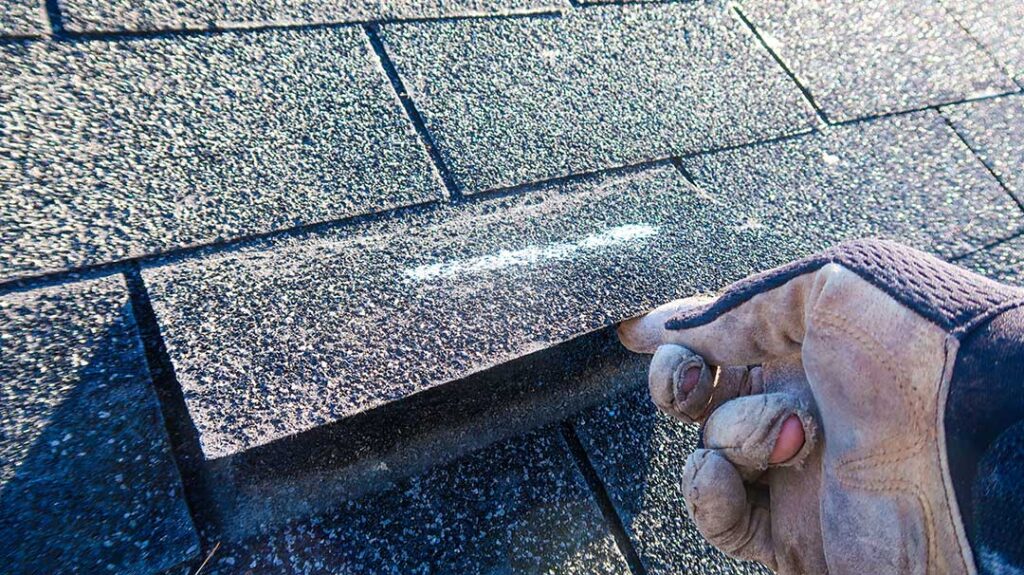
- Gloves: Thick, well-fitted work gloves protect against sharp shingles, rough debris, and granules that collect from weathered roofing materials.
- Roofing Hammer or Curved Claw Hammer: Useful for gently re-seating popped nails or small shingle repairs.
- Putty Knife or Flat Pry Bar: These tools are versatile for clearing out stuck debris from gutters, prying up loose flashing, or removing damaged shingles.
Residents may already own most of these, as they’re common in garages and sheds across the area.
How Should Camden Residents Approach Seasonal Gutter Cleaning?
Gutter systems in the city frequently become clogged due to a mix of leaf fall and spring blooms. Clean gutters are essential for preventing overflow and ice damming—issues especially relevant given the freeze-thaw cycle in Camden’s typical winters.
The following tools simplify this recurring task:
- Gutter Scoop or Trowel: Specifically shaped to dig out damp leaves, acorns, and silt while minimizing direct hand contact.
- Bucket with a Handle or Secure Hook: For easy, safe debris collection while keeping hands free.
- Garden Hose with Spray Nozzle: Confirms the flow of water and spots hard-to-see blockages after visible debris is removed.
It’s a good idea to schedule this job both after autumn leaf drop and as part of spring cleaning routines.
What Tools Help with Safe Roof Inspections in the Local Climate?
Visual checks are safest when completed from the ground or from a ladder, especially on older or steeper roofs common throughout the city. A few tools make inspections both more thorough and safe:
- Binoculars: These allow for a clear look at shingles, flashing, and vents from the yard or driveway without needing to climb.
- Roof Rake: Used in winter to remove excess snow from the edges, which helps reduce the risk of ice dams—a familiar concern for Camden area homes.
- Flashlight or Headlamp: Handy for inspecting attic spaces for signs of leaks, rot, or daylight showing through, which might indicate gaps in the roof covering.
Residents should avoid walking on wet, icy, or mossy roofs, as these conditions are especially risky in the area’s variable climate.
When Are Specialty Tools Needed, and What Are They?
Some tools aren’t required for average upkeep, but are important if tackling specific roof-related projects or addressing minor, sudden issues:
- Sealant Gun (Caulking Gun): For applying roofing sealants around vents, flashing, or small gaps, particularly ahead of heavy rain or winter storms.
- Measuring Tape: Helpful for identifying how much replacement material or flashing might be needed before shopping for supplies locally.
- Utility Knife: Essential for trimming roofing materials or cutting away damaged shingle sections.
For any unfamiliar repair, residents should consult manufacturer instructions or local building codes before beginning work to avoid unnecessary complications.
What Safety Equipment Should Residents Use?
Roof maintenance always comes with some level of risk, and the rooftop surfaces in Camden can be slick due to moss, morning dew, or snow.
Recommended safety gear includes:
- Non-Slip Footwear: Sturdy shoes or boots with a rubber sole help with footing, especially on asphalt shingles.
- Safety Glasses: Protect eyes from flying grit or debris dislodged during cleaning or minor repairs.
- Dust Mask: Useful when sweeping moss or dealing with dust and pollen that gathers in gutters or valleys.
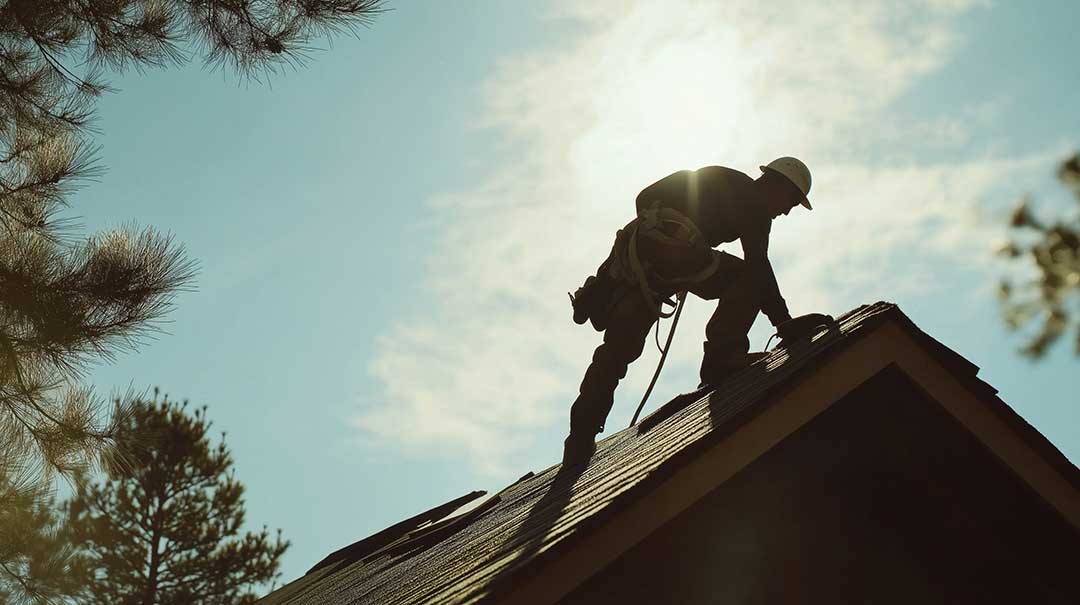
While safety harnesses are advisable if anyone must venture onto steep or high roofs, local guidelines prioritize doing only what’s safe from a ladder or the ground for routine maintenance.
What Are Commonly Overlooked Tools or Techniques?
Many residents focus on primary tasks like leaf removal and shingle inspection, but some lesser-known choices can make roof maintenance easier and safer:
- Chalk Line: For marking straight edges if replacing shingles or adding roof cement, especially helpful for small repair accuracy.
- Magnetic Sweeper: Used at ground level after repairs to find stray nails or metal bits before they harm children, pets, or lawnmowers.
- Digital Camera or Smartphone: Useful for documenting roof conditions before and after repairs, and for tracking subtle changes across seasons.
A camera also helps when sharing photos with local officials for permitting questions or verifying insurance claims.
How Do Local Weather and Architectural Styles Affect Tool Needs?
Homes in Camden often feature gable and hip roofs with asphalt or metal surfaces. Many properties have mature trees nearby, adding to the challenges of clogging and debris. Tools that adapt to these specifics—like long-handled roof rakes for two-story homes or soft-bristle brushes for metal roofing—help maintain the variety of residential buildings found in the city.
Timing maintenance around local seasonal shifts, such as scheduling gutter cleaning after the bulk of leaves have fallen in late autumn or inspecting flashings before the first heavy snowfall, makes any tool kit more effective.
