
Is It Safe for Camden, NY Residents to Do Their Own Roof Work?
For many in Camden, NY, the question of whether it’s safe to take on roof work yourself depends on several factors. Safety is determined by your comfort with heights, basic DIY skills, the condition and pitch of your roof, the weather, and the scope of the repairs. For small, straightforward tasks—such as clearing gutters, replacing a handful of shingles, or sealing minor leaks—many homeowners in the area can safely complete the job, provided they follow key precautions.
What Makes Roof Work Risky in This Part of New York?
The most significant risks for Camden residents stem from falls, unstable surfaces, unpredictable weather, and inappropriate equipment. Housing stock in the area often includes older, steeply pitched roofs or slate surfaces, which can be especially slippery when wet or covered in moss. Winters in Camden bring ice and snow accumulation well into spring, making timely safety assessments vital. Even if the day looks calm, sudden wind gusts can turn a safe situation hazardous, especially on two-story homes or older roofs.
When Are Simple Repairs Realistically Safe for Local Homeowners?
Basic tasks can be handled safely when:
- The roof surface is dry, free of frost or moss, and has a gentle pitch.
- Temperatures are moderate (above 45°F, below 85°F) and there’s no precipitation or forecasted storm.
- The repair area is easily accessible—such as a single-story garage with a modest slope.
- You have sturdy, reliable ladders and wear shoes with good traction.
- Someone else is present to assist or call for help if needed.
Examples in local homes include patching small, visible shingle cracks after a windstorm or resecuring loose flashing around a chimney in the summer. For these jobs, take extra care to wear work gloves, use a safety harness if possible, and check your ladder placement before climbing.
How Does Local Weather Affect Roof Project Safety?
The Camden climate plays a big role in determining safe times for DIY roofing. Roof work is safest during late spring to early fall, once snow and ice have entirely melted and before leaves begin to fall. Humidity can make surfaces slick even in summer, so early mornings and dry afternoons are preferred. Avoid all roof work during:
- Winter months or following heavy snowfall
- Days with wind speeds above 20 mph (common in spring and fall)
- Rain, drizzle, or after morning dew on colder days
- Thunderstorms or days with rapid temperature swings
Camden’s wet autumns and icy winters mean even a roof that looks dry may hide leaf mulch, frost, or slick algae. Test your footing as soon as you reach the rooftop edge.
Are Any Materials or Roof Types Especially Hazardous?
Certain roof materials common in older Camden neighborhoods, such as slate and tile, are fragile and more dangerous to traverse. Metal roofs become extremely slippery with only a trace of moisture. In contrast, newer architectural asphalt shingles, if in good shape, offer more reliable footing.
Roofs with steep pitches—seen in many of the city’s Victorian-era houses—should generally be left to those with significant roofing experience and the correct harnessing gear. Even handy homeowners can misjudge the steepness or surface texture from the ground.
What About Hidden Structural Dangers?
Homes in Camden, NY frequently have roofs that are decades old—sometimes with multiple layers of shingles or patched decking beneath. Water damage, rot under previous repairs, and bowing rooflines are common on older or neglected homes. Stepping on a soft or weakened patch could result in a sudden fall through the roof, even on a single-story structure.
If you have any doubt about what’s under your feet or notice soft spots, sinking, or crumbling wood on the underside of eaves from an attic inspection, avoid walking on that section entirely.
What Safety Precautions Are Non-Negotiable for DIY Roof Work?
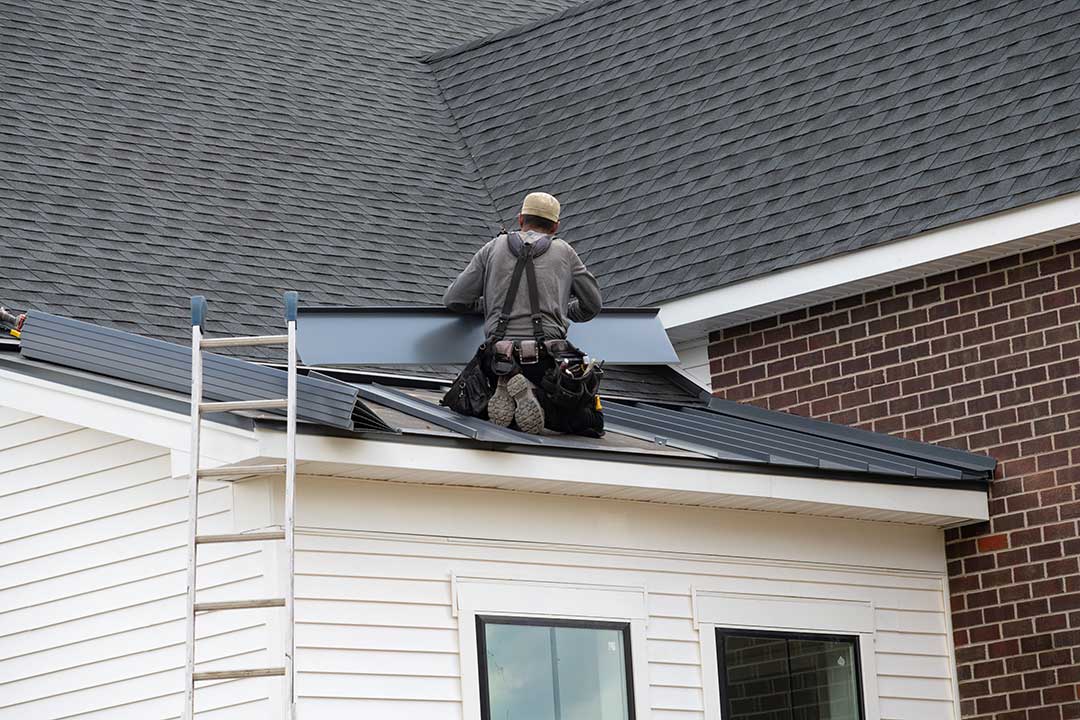
If you decide your project falls within safe limits, always:
- Use a ladder that extends three feet above the roofline and secure it at the base.
- Don’t work alone; always have someone nearby.
- Wear close-fitting, rubber-soled shoes for grip.
- Keep tools secured—use a tool belt or a bucket on a rope, not loose tools on the roof surface.
- Avoid carrying heavy supplies up the ladder; use rope to lift materials as needed.
- Never rush, especially when descending.
Camden’s variable weather and diverse housing styles demand an extra degree of caution—conditions can change faster than you expect.
When Is Professional Help the Only Safe Option?
DIY efforts should be avoided if:
- The roof is steep, high, or constructed from fragile material.
- Damage involves structural repairs (such as sagging joists, widespread leaks, or rebuilding flashing around multiple features).
- Mold, rot, or electrical issues are discovered near attic spaces.
- Local ordinances or insurance agreements require licensed work or inspections.
In these cases, safety—both immediate and long-term—outweighs the appeal of doing it yourself.
