
Where do pests usually enter a roof?
Pests most often enter through small openings where roofing materials, vents, siding, and framing meet. A gap that seems insignificant from the ground can provide enough room for mice, bats, birds, squirrels, or insects to reach an attic or roof cavity.
Common entry points include:
- Loose or damaged soffit panels
- Gaps along the roof edge or fascia
- Missing, cracked, or lifted shingles
- Openings around plumbing, electrical, or heating vents
- Ridge vents and gable vents with damaged screening
- Loose chimney flashing
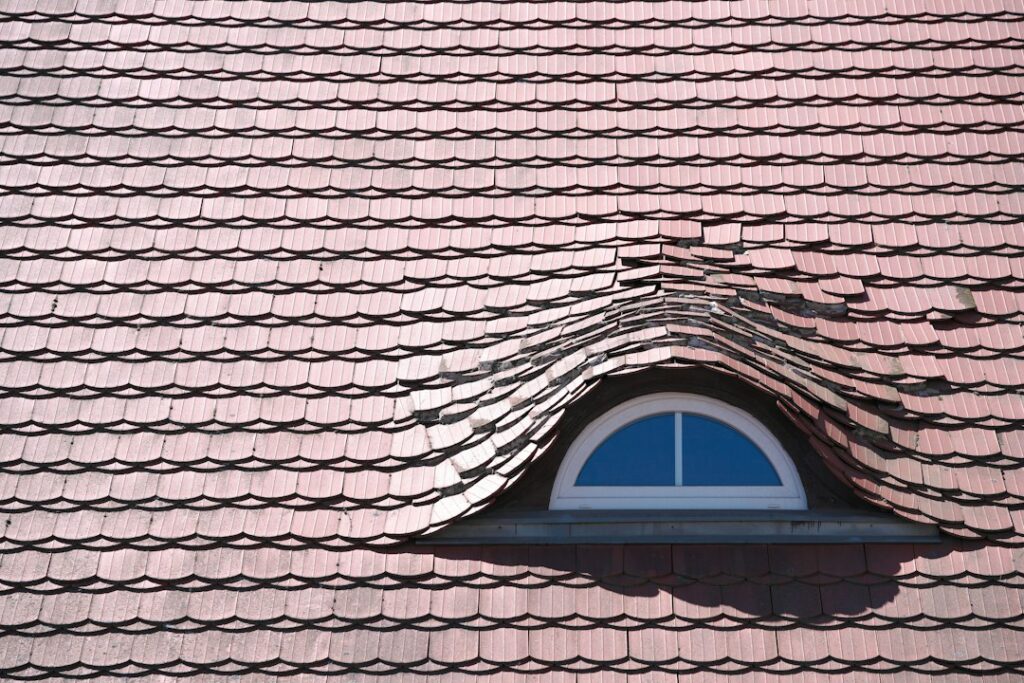
- Gaps where dormers meet the main roof
- Uncapped or damaged chimneys
- Areas where branches rub against roofing materials
- Holes created by previous animals
The roof itself is not always the first barrier an animal crosses. Many pests enter through the exterior wall, soffit, or chimney and then move upward into the attic. This is why an attic problem can exist even when the shingles appear intact.
Why are roof edges and vents vulnerable?
Roof edges contain several materials joined together, often with narrow seams and ventilation openings. Those areas must allow air movement and accommodate seasonal expansion, but they also need properly fitted screening and durable connections.
Wind, ice, snow, and repeated freeze-thaw cycles can loosen trim or pull apart joints. In Camden, winter weather can place particular stress on roof edges, flashing, and vent covers. Heavy snow and ice may press against weak areas, while spring thaw can reveal gaps that were not obvious during colder months.
Ventilation openings are especially attractive to pests because they lead toward a sheltered, relatively dry space. Birds may investigate them for nesting, while squirrels and other animals may enlarge weak screens or chew soft materials around the opening.
A vent should allow air to circulate without providing a passage for animals. Missing screens, bent louvers, and loose vent covers deserve attention during routine exterior inspections.
Which animals commonly get into roofs?
Different pests leave different clues, although signs can overlap.
Squirrels often enter through roof edges, gable vents, or damaged soffits. Scratching and chewing may be heard during daylight, especially in the morning or late afternoon. Squirrels can damage insulation, wiring, and wood framing while enlarging an opening.
Mice can use very small gaps around roof penetrations, siding, and eaves. They may build nests from insulation, paper, or other soft materials. Droppings, musky odors, and light scratching at night are common clues.
Bats may enter through loose flashing, gaps near the roof peak, damaged vents, or openings where materials have pulled apart. They often remain quiet during the day and may be noticed when leaving the structure around dusk. A bat seen inside a living area should not be handled bare-handed.
Birds frequently use uncapped chimneys, open gable vents, and damaged soffits. Nesting material may block ventilation or create a fire hazard if it is near a heat-producing appliance or flue.
Raccoons are strong enough to pull away weak roof-edge materials, vent covers, or shingles. Their activity may produce heavy thumping, tearing, or movement in the attic, often at night.
Insects may include wasps, bees, ants, and wood-damaging insects. Some use roof cavities for nesting, while others take advantage of damp or deteriorated wood. Carpenter ants, for example, are more likely to establish nests where moisture has already weakened wood.
How does roof damage invite pests inside?
Roof damage creates more than a weather problem. It can also produce shelter, warmth, moisture, and nesting material.
A missing shingle may expose the underlayment or roof deck. If water enters, the wood can soften over time. Softened wood is easier for squirrels and other animals to chew. Moisture can also attract insects that depend on decaying or damp material.
Ice dams and wind-driven rain may contribute to wet insulation or stained sheathing. A damaged roof does not always show an obvious interior leak. Sometimes the first signs are a musty odor, insect activity, or animal noise above the ceiling.
Trees can also influence roof access. Branches touching or overhanging the roof may give squirrels a direct route to the structure. Leaves and twigs can collect near valleys, gutters, and roof edges, holding moisture against roofing components and hiding small openings.
What signs suggest pests are in the roof or attic?
The most useful clues are often indirect. Residents may notice:
- Scratching, gnawing, fluttering, or thumping sounds
- Droppings or urine staining
- Nesting material near vents or attic insulation
- Grease marks or dirt along frequently used openings
- Damaged screens, shingles, soffits, or flashing
- Unusual odors
- Insects entering rooms from ceiling fixtures or wall openings
- Daylight visible through an attic seam
- Insulation that has been disturbed or compressed
- Birds or animals repeatedly appearing near one roof section

Timing can help identify the source. Noises during daylight may suggest squirrels or birds, while nighttime movement may point toward mice or raccoons. Bats are often noticed around dusk. These patterns are clues, not absolute identification, because several species can occupy the same part of a building.
Can a pest problem be fixed by sealing the hole?
Not always. Sealing an opening before confirming that the animal has left can trap wildlife inside the roof or attic. A trapped animal may scratch through interior materials, die in an inaccessible space, or create a sanitation problem.
This is especially important during nesting or maternity seasons. Young animals may remain inside while adults leave to search for food. Blocking the entrance too soon can separate the young from the adult or force the animal to create a new opening.
The safer sequence is to identify the entry point, determine whether the space is occupied, allow animals to leave through an appropriate exclusion method, and then repair the opening with materials suited to the location. Bats require additional care because some species are protected and because direct handling can create health concerns. Uncertain bat situations should be treated cautiously rather than managed by hand.
How can households reduce roof access?
Prevention begins with regular observation from the ground and, when safe, from accessible attic areas. Useful maintenance steps include:
- Keep tree limbs from resting on or providing a direct bridge to the roof.
- Replace damaged vent screens with durable, properly fitted mesh.
- Check soffits, fascia, and roof edges after major wind or ice events.
- Keep gutters and roof valleys clear of debris that can hide deterioration.
- Inspect chimney caps and flashing.
- Repair loose siding or trim near the roofline.
- Avoid storing birdseed, pet food, or garbage where it attracts wildlife close to the house.
- Look for water stains, damp insulation, or softened wood in the attic.
- Do not rely on expanding foam alone for animal exclusion; many pests can chew through it.
A roof inspection is not limited to the visible shingle surface. The condition of the edges, penetrations, ventilation components, and surrounding trees often determines whether pests can get inside.
When is the situation unsafe to investigate?
Attics and roofs can contain electrical hazards, unstable flooring, contaminated insulation, sharp metal, exposed nails, and aggressive or frightened animals. A steep, icy, or snow-covered roof should not be climbed.
Extra caution is warranted when there are bats, raccoons, stinging insects, visible wiring damage, strong odors, or large amounts of droppings. Wildlife removal and cleanup may require specialized handling, particularly where disease exposure, protected species, or animal entrapment is possible.
Finding the entry point is useful, but the lasting repair depends on correcting the underlying weakness—whether that is damaged flashing, a deteriorated soffit, a failed vent screen, moisture-damaged wood, or an opening created by earlier roof damage.
